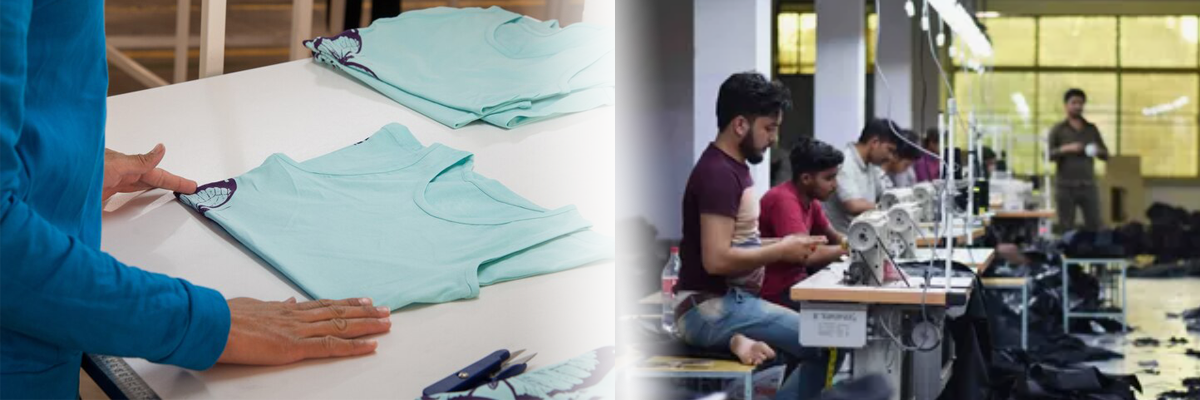
In recent years, Pakistan-made apparel has received considerable attention in Europe and North America. From high-street fashion brands to private label retailers, international buyers are increasingly shifting their focus to Pakistan for high-quality, competitively priced garments. This rising demand is not unexpected. Rather, it is a result of Pakistan’s rich textile tradition, contemporary manufacturing facilities, and the ability to meet international fashion trends with speed and accuracy.
Pakistan’s Textile Industry: A Global Powerhouse
Pakistan is one of the biggest textile and apparel exporters in the world. With a complete value chain from cotton production to finished garments, the country provides a unique vertical integration advantage. This vertically integrated supply chain helps ensure improved quality control, cost-effectiveness, and faster turnaround times—essential for the European and North American fashion industry.
The country is one of the biggest cotton producers in the world, providing a strong raw material base for high-quality fabrics. Alongside this, the country boasts world-class spinning, weaving, dyeing, and stitching facilities. As a result, Pakistan’s apparel manufacturers are capable of producing a broad range of products such as knitwear, denim, sportswear, workwear, and sustainable fashion lines.
Why European and North American Buyers Prefer Pakistan
Competitive Pricing Without Compromising Quality
One of the most important reasons international buyers prefer to source apparel from Pakistan is the ability to provide a balance of affordability and quality. The manufacturers employ modern machinery, expert labor, and rigorous quality control processes to produce garments that meet international standards at competitive prices.Compliance with International Standards
Today’s global consumer is concerned about ethical sourcing and sustainability. Most of the clothing manufacturers in Pakistan are ISO, WRAP, BSCI, SEDEX, and OEKO-TEX certified. This ensures a safe working environment, environmentally sound manufacturing processes, and the safety of the products.Sustainable and Organic Textile Production
Sustainability is a key trend in the European and North American markets. In response, Pakistan has seen an increase in the production of organic cotton, recycled materials, and eco-friendly clothing. Many manufacturers are also working on water conservation systems, renewable energy sources, and waste management systems to make their production processes more environmentally friendly.Strong Trade Relations and GSP+ Benefits
Pakistan enjoys the GSP+ (Generalized Scheme of Preferences Plus) facility with the European Union, which gives it duty-free access to the European market for most of its textile products. This gives it a huge advantage over other exporting nations and improves trade relations.
High-Demand Apparel Categories
Some of the categories of clothing from Pakistan that are growing at a rapid pace in the European and North American markets are:
Denim and jeans production
Knitwear and t-shirts
Sportswear and activewear
Workwear and uniforms
Private label and customized clothing
Denim, in particular, has made Pakistan a premier global supplier of sustainable denim ranges, with most European brands sourcing sustainable denim ranges from the country.
Innovation and Technology in Apparel Manufacturing
The Pakistan textile industry has further improved its global image with its technological advancements. Most of the clothing manufacturers in Pakistan are using automated cutting machines, digital printing presses, CAD/CAM design software, and advanced quality testing laboratories. This has enabled them to efficiently produce large orders with consistency and accuracy.
In addition, the trend of OEM (Original Equipment Manufacturing) and ODM (Original Design Manufacturing) is also being adopted by apparel exporters in Pakistan. This allows global brands to work together on designing, branding, packaging, and product development.
Challenges and Opportunities
Although the sector has its strengths, the Pakistani apparel industry also faces challenges such as energy costs, global competition, and raw material prices. However, government assistance, infrastructure development, and foreign investment are helping to overcome these challenges.
The trend of global brands diversifying their sourcing from traditional sources has opened up new avenues for Pakistan. As global brands search for reliable, compliant, and sustainable manufacturers, Pakistan is poised to take a bigger chunk of the European and North American market for apparel.
Conclusion: A Promising Future for Pakistan Apparel Exports
The increasing demand for Pakistani apparel in Europe and North America is a reflection of the country’s manufacturing prowess, competitive advantage, and commitment to quality. With their strong textile know-how, sustainable manufacturing practices, and favorable trade agreements, Pakistan is poised to maintain its position as a reliable global apparel supplier.

Add comment